European sentiment, tested by external threats and internal doubts, is finding new life in the Trump era: not in grand declarations, but in a slow, stubborn commitment to endure and move forward
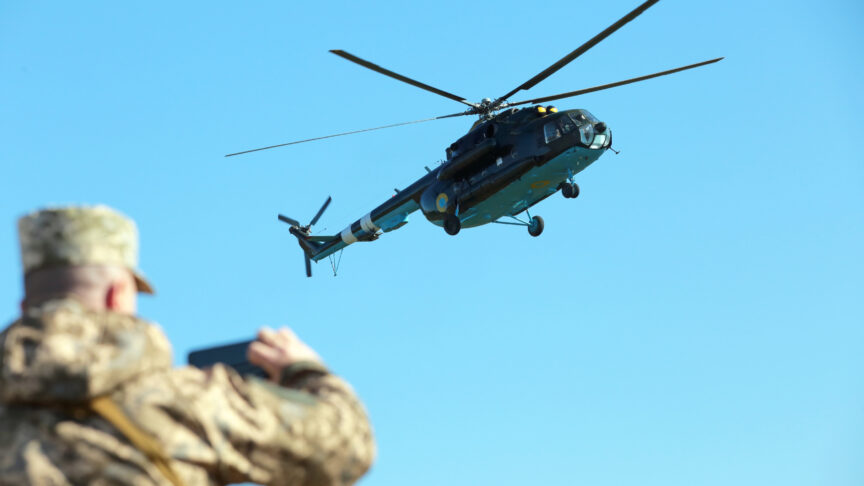
The EU may need to deploy a peacekeeping force to Ukraine. However, without urgent regulatory changes, its member states are unprepared for the risks of direct confrontation with Russia
European boots on the ground in Ukraine seem more likely than ever before—but discussions on the practicalities of such a “reassurance force” are only just starting
Far away from the battlefronts in Ukraine, Russia has been busy charming African capitals to support its invasion. Ukraine is facing a harsh geopolitical awakening
As Europeans rearm to confront Russian aggression, they also need to figure out how to survive in the age of “unpeace” that Donald Trump and other strongmen are ushering in. The old interdependencies that liberals took for granted no longer ensure peace, prosperity or stability
Despite recent ceasefire talks, Putin’s programme of terror in Ukraine continued with a Palm Sunday attack on Sumy. Europeans need to maintain a “wartime mindset” and persuade the US that Russia’s hostility is not at an end
European policymakers have little direct influence over Moscow and Washington. However, they can use certain tools as leverage to help shape talks about Ukraine’s future—while ensuring to act in the EU’s best interest
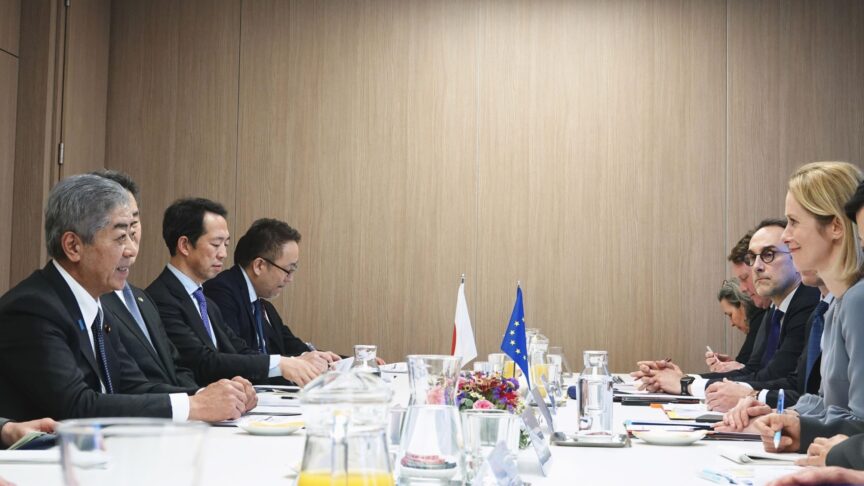
With an unpredictable US and a defiant China, the EU and Japan must deepen their alignment—fast. Strategic cooperation in defence, economic security and diplomacy is no longer optional; it’s essential to shaping, not just surviving, the new global order
Several EU countries are withdrawing from, or considering withdrawing from, humanitarian disarmament treaties. While Europe must urgently strengthen its defence capabilities, it should not lose its foreign policy identity to Russia in the process