
From aid to inclusion: A better way to help Syrian refugees in Turkey, Lebanon, and Jordan
Europeans should adopt a new approach to supporting Syrian refugees – one that would also benefit host communities in Turkey, Lebanon, and Jordan

Europeans should adopt a new approach to supporting Syrian refugees – one that would also benefit host communities in Turkey, Lebanon, and Jordan
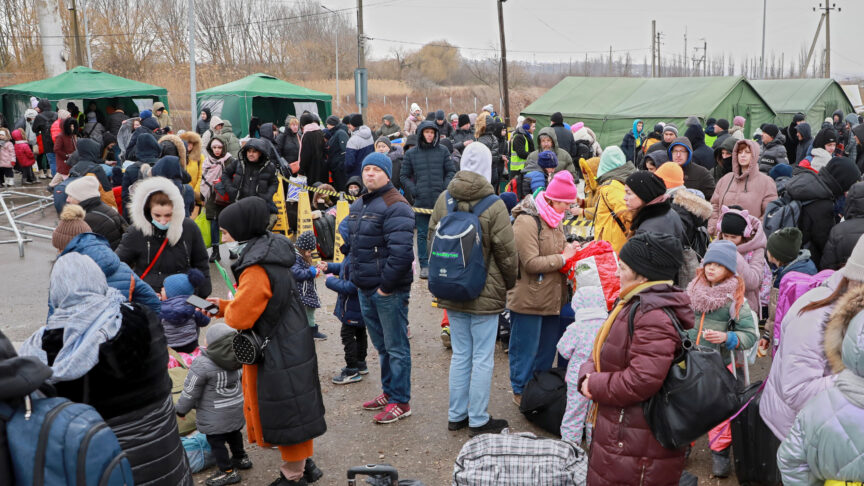
To counter Russian disinformation and take on populist parties, European politicians should do more to shape the debate around Ukrainian refugees in Europe

The Meloni government has largely adopted a ‘Russia-pragmatic’ approach to its EU and Ukraine policies. But pressure over migration within the coalition could harm relations with other European states

If Turkey and other countries begin deporting more Syrians back to Syria, Europe could experience a new wave of arrivals. European policymakers need to devise a more sustainable, longer-term approach to the issue.
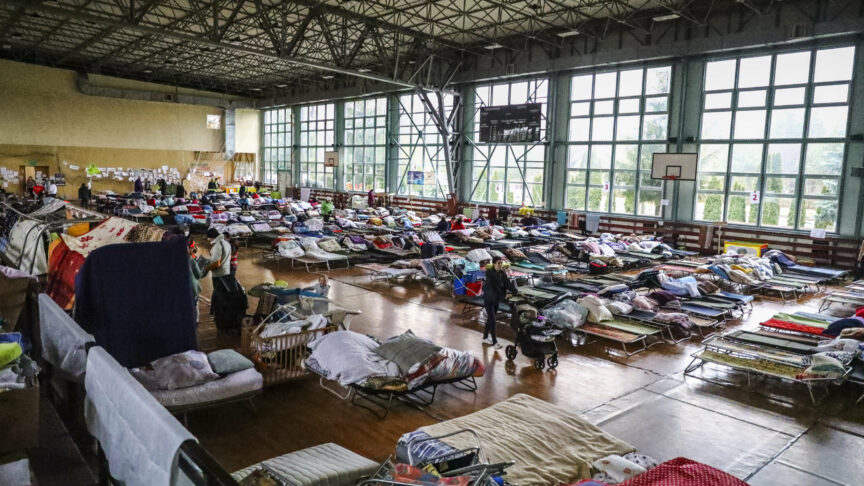
The EU has responded to a huge influx of Ukrainian refugees with an unprecedented show of solidarity. It should take this opportunity to develop a common asylum policy.

Este debate fue una iniciativa del Foro Cívico, de la Oficina en Washington para Asuntos Latinoamericanos (WOLA), el Open Society Foundations (OSF) y el European…

What instruments does the EU have at its disposal to address the challenges related to the crisis? And what are the lessons learned from the refugee crisis in 2015?

Humanitarian crises in places like Afghanistan, Yemen or Ethiopia are not only a reflection of internal turmoil – but mirror a much grander development: system failure

Europeans who have at heart the sustainable return of refugees, in line with Europe’s core interests and with the will of the Syrian people, should focus on ensuring that conditions on the ground in Syria allow for safe, voluntary, and dignified returns

Join us on this journey to a more therapeutic approach to international relations. The mini-series brings you five episodes with guests including today’s Parag Khanna, Thomas Wright, and Anne Marie Slaughter.