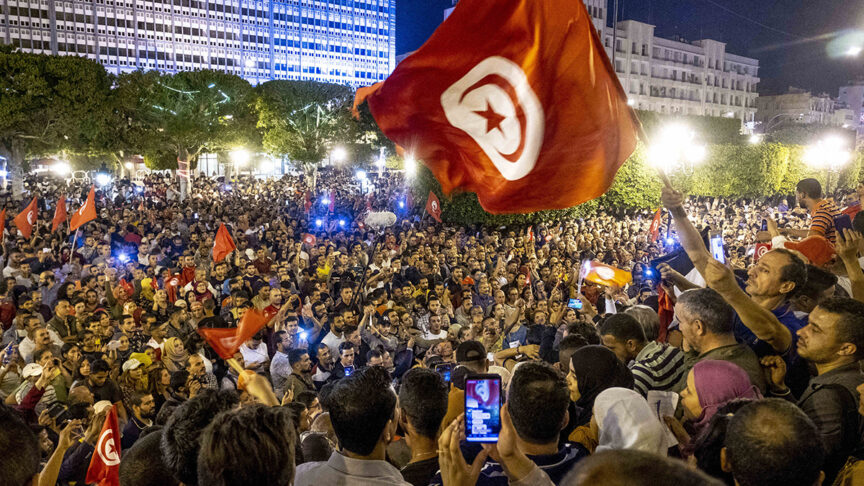
Reform from crisis: How Tunisia can use covid-19 as an opportunity
The government must build on its response to the pandemic to create a compromise that shares the burden of reform between political actors and interest groups

The government must build on its response to the pandemic to create a compromise that shares the burden of reform between political actors and interest groups
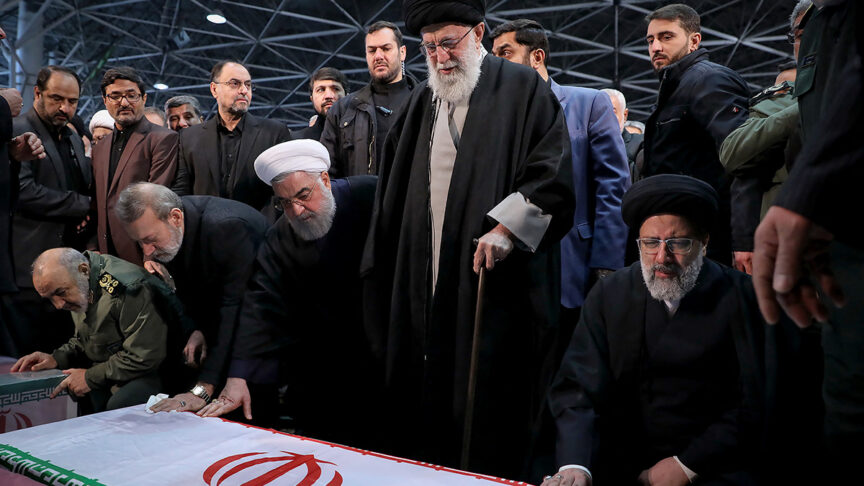
Europeans wish to persuade Iran to compromise on strategic issues – but, unless they understand the dynamics of domestic Iranian politics, they will not get far
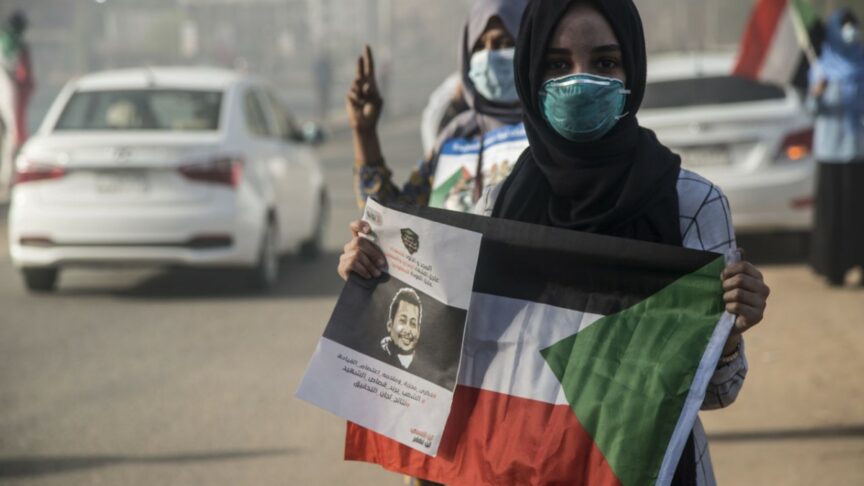
The transition will only succeed if the government stabilises the economy and civilians work hard to tilt the balance of power away from the military
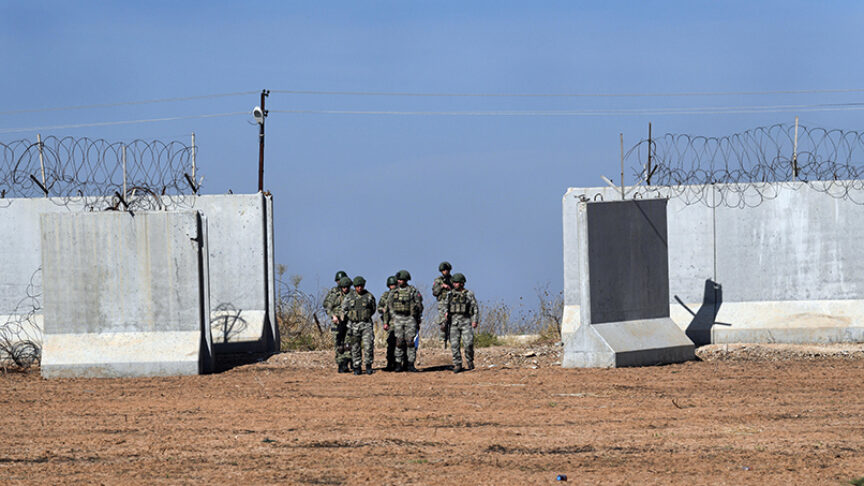
EU member states can find ways to cooperate with Turkey to support stabilisation in parts of the safe zone, without violating their interests and core principle
European governments should pivot to a strategy focused on protecting those societal forces that are still standing and that can help salvage a better future
Europeans must help construct the region’s digital infrastructure, to prevent China from popularising its internet governance model there
The Hirak protest movement has revealed flaws in Algeria’s ruling system, which lacks the tools to reinvent itself
Europeans can shift the balance of power in the Gulf in their favour by approaching the Gulf through flexible new frameworks
The European Union should continue to support development and state-building in Yemen and develop platforms on which southerners can achieve self-determination
Religious issues and leadership play an increasingly important role in Mali, but international actors are ill-equipped to understand and analyse this