
Trump’s AI thaw: How Europe and the Gulf can protect against American and Chinese tech pressure
Recent changes in US policy have brought the US and Gulf states together again on AI—creating new openings for European decision-makers

Recent changes in US policy have brought the US and Gulf states together again on AI—creating new openings for European decision-makers
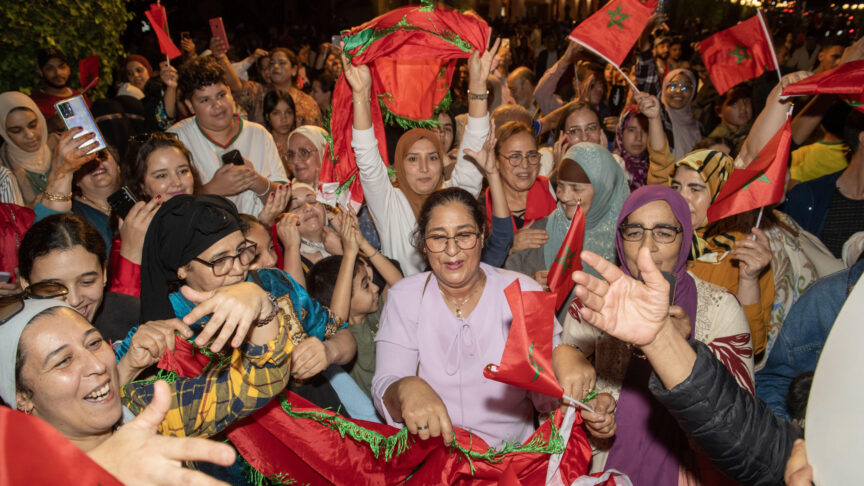
President Donald Trump’s quest for a peace prize has led him to Western Sahara, where American diplomacy risks either sparking more violence or seizing a rare chance to end a half-century-old war

Oil prices barely flinched after the Iran-Israel 12-day war in June, but it would be a mistake to conclude Gulf producers have lost their leverage

Germany’s policy towards Israel undermines its commitment to international law and the EU’s capacity to act as a geopolitical actor

Europeans have the potential to tip the scales in the coming diplomatic negotiations over Gaza, but they must move rapidly
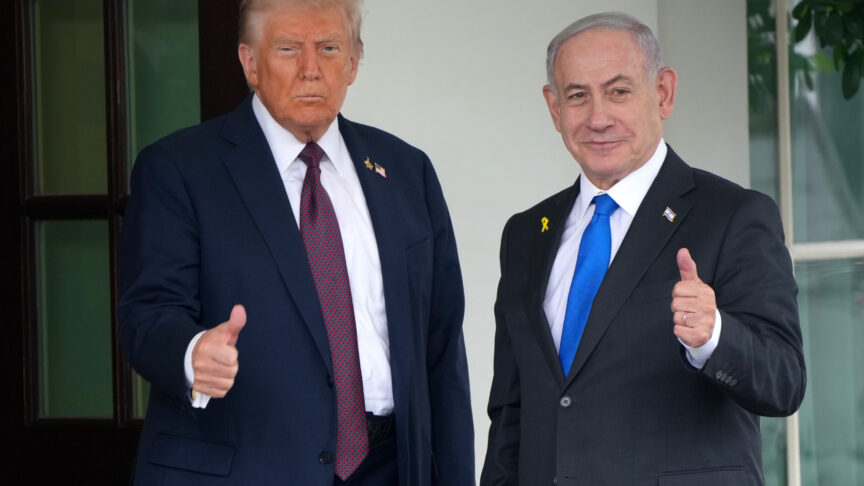
Trump’s peace plan could finally bring an end to Israel’s destruction of Gaza. But gaps in timing, guarantees, and last-minute Israeli amendments risk failure unless European and Arab states intervene
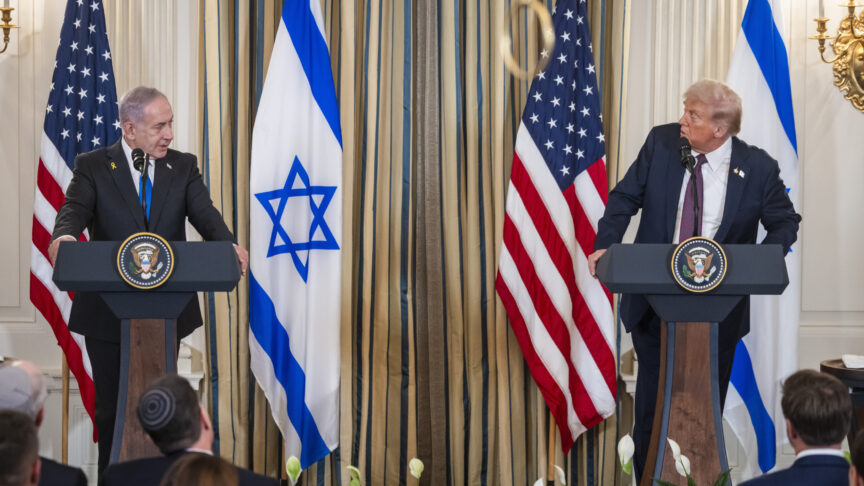
European states should offer support for the broad principles of the plan conditioned on a clear Israeli commitment to a full withdrawal from Gaza

European leaders have reimposed UN sanctions on Iran. Now they must steer clear of America’s maximum pressure campaign and instead keep the diplomatic door open

The Israeli attacks on Doha, and America’s support of them, has caused Gulf leaders to majorly rethink their security. This could lead to a new Gulf-led security format
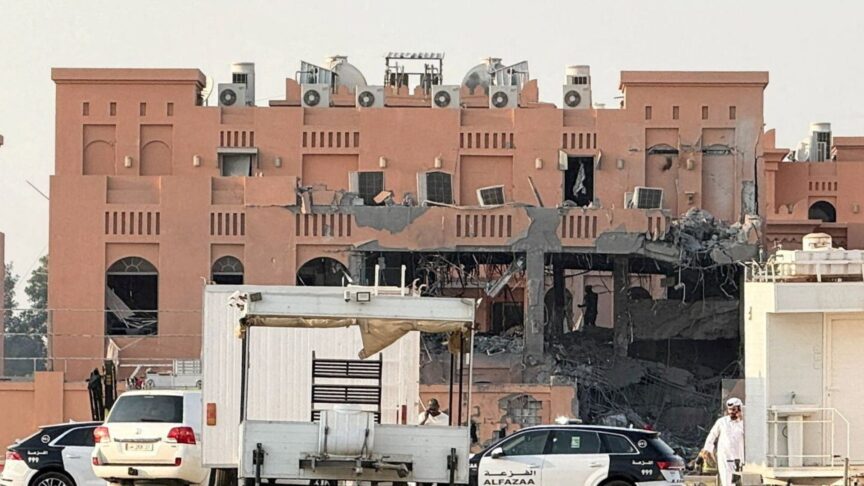
The Doha strike risks deepening regional scepticism of Western security partnerships in the Middle East. Europe needs to do much more to pressure Israel into ending the war in Gaza and curbing its regional belligerence