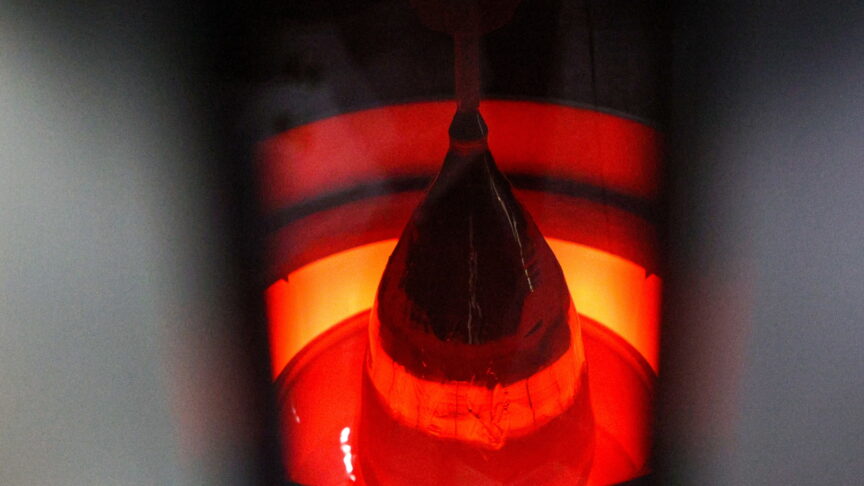
If Europe reopens talks with Vladimir Putin, Moscow could turn Western dependence on Chinese rare earths into leverage. A new $9.2bn processing hub in Siberia will be at the heart of this plan
Vladimir Putin’s war in Ukraine has now lasted longer than the Soviet Union’s fight against Nazi Germany, with incomparably smaller gains. The West should stop buying into Moscow’s bluff that Russia is invincible; instead, it should use the Kremlin’s weaknesses and double down on its support for Ukraine to bring about real negotiations to end the war
Jana Kobzová, Mark Leonard, Jim O’Brien, Jana Puglierin, Jeremy Shapiro, Vessela Tcherneva, Katrine Westgaard
Commentary
Europeans have real leverage in the face of Donald Trump’s threats towards Greenland—and time on their side. They must use it to raise the prospective costs of annexation
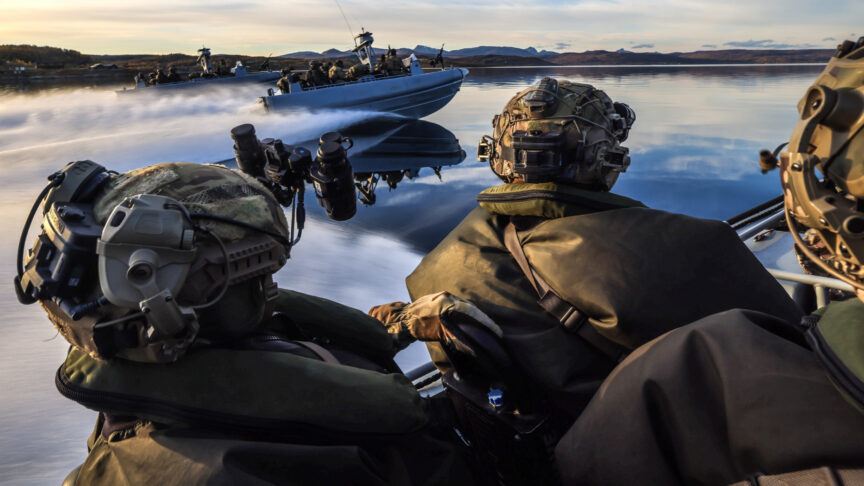
Britain and France have committed to deploying their armies on the ground in Ukraine. This is one step towards providing the robust security guarantees the country needs to deter future Russian aggression
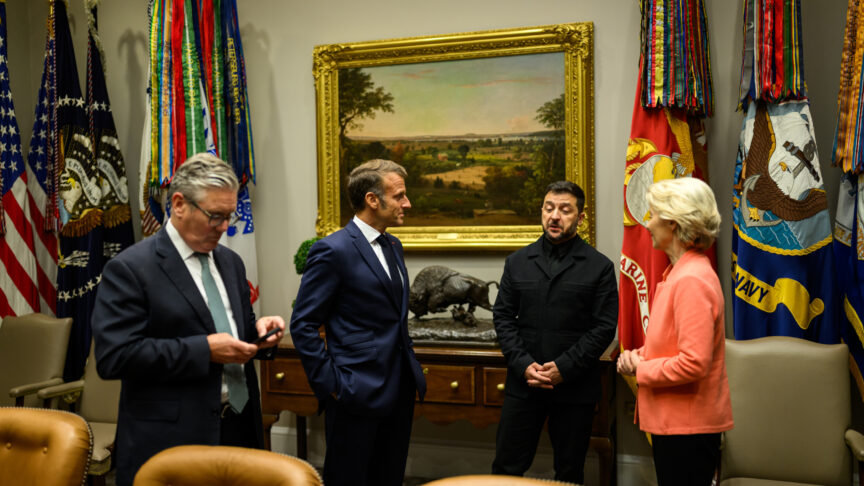
Given the Trump administration’s recent statements and policy pronouncements, European leaders no longer have any excuse for failing to map out their own long-term security strategy. If they can get their act together on ending the Ukraine war, they will gain a much stronger position on other key fronts, too
A Russia-Ukraine peace deal that capitulates to Putin risks destabilising the Western Balkans, emboldening Serbian territorial claims and undermining EU credibility
Trump and Lukashenka’s new found dialogue leaves the EU in a bind. However, there is a middle ground to be found between passively waiting for regime change in Belarus and risking a fallout with Washington
America’s new National Security Strategy has shaken Europe’s leaders awake to the end of the transatlantic alliance as they know it. But Europeans have the means to stand up for themselves—if they choose to seize them