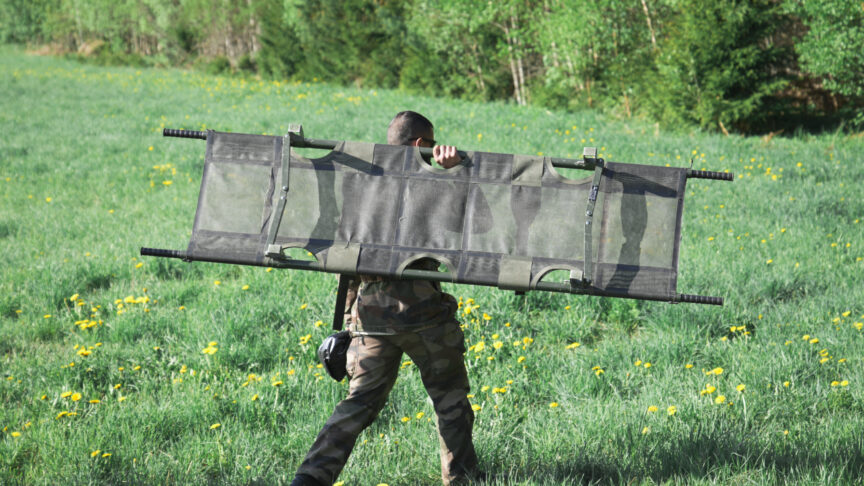
The Baltic states are leading efforts to strengthen Europe’s ability to face a potential foreign attack and cope with its fallout. The EU should follow their lead and build the societal and institutional resilience needed before a crisis hits
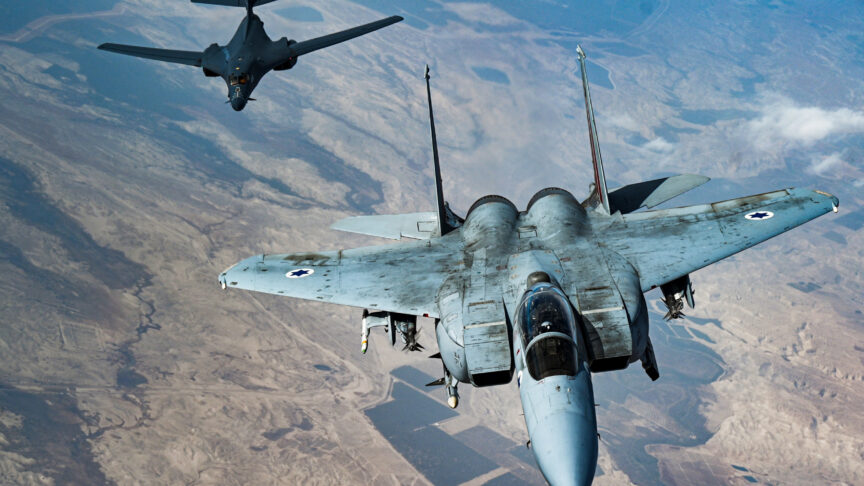
The wars in Ukraine and the Middle East are different in a multitude of important ways. But they nonetheless offer some common lessons for Europeans on the importance of air superiority to military victory
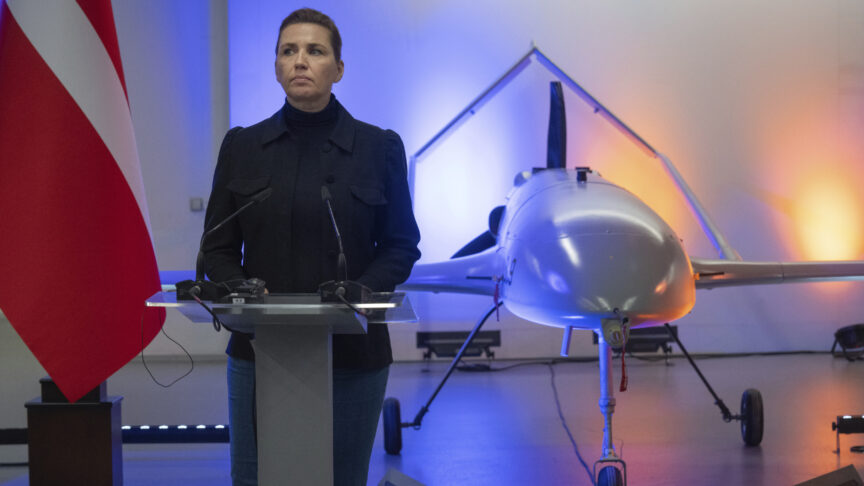
On 1st July, Poland hands over its EU Council presidency to Denmark. The latter’s focus on EU enlargement and support for Ukraine underscores its bid to reach Europe’s geopolitical heart—and secure Denmark against threats from east and west
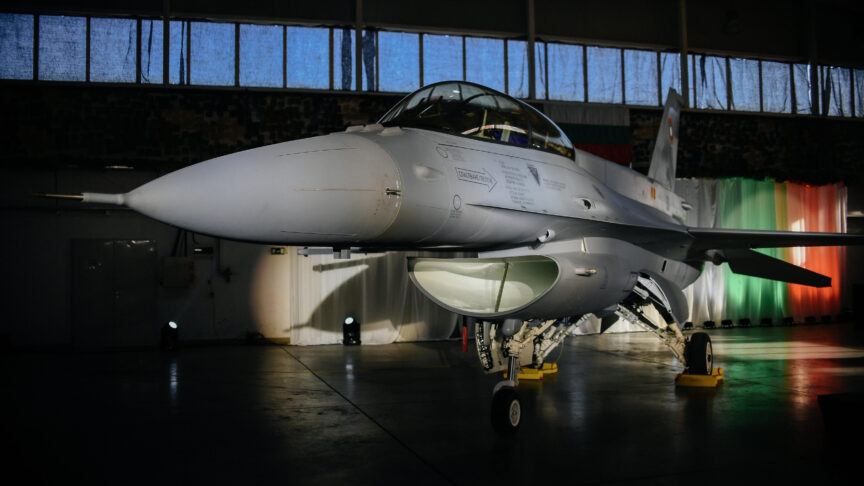
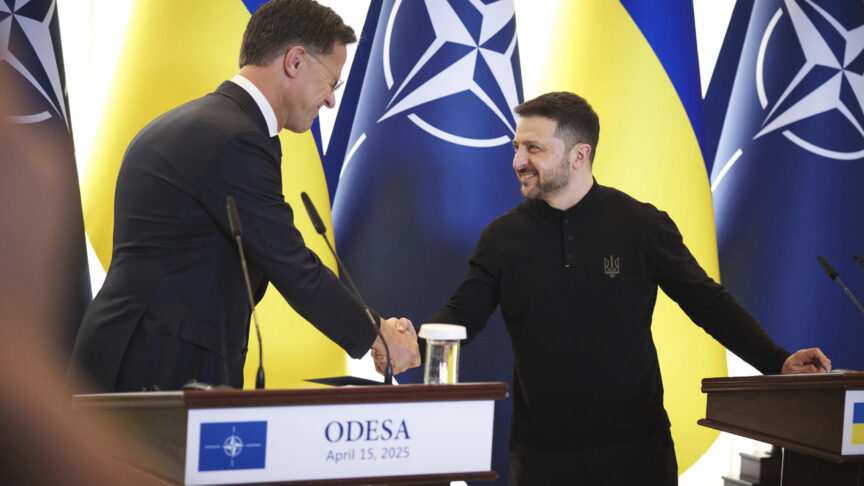
This week’s NATO summit sees defence spending at the top of the agenda. But, at the current estimation, Europe risks rearming at an unsustainable pace. This could waste resources and trigger political instability without delivering real security for European citizens
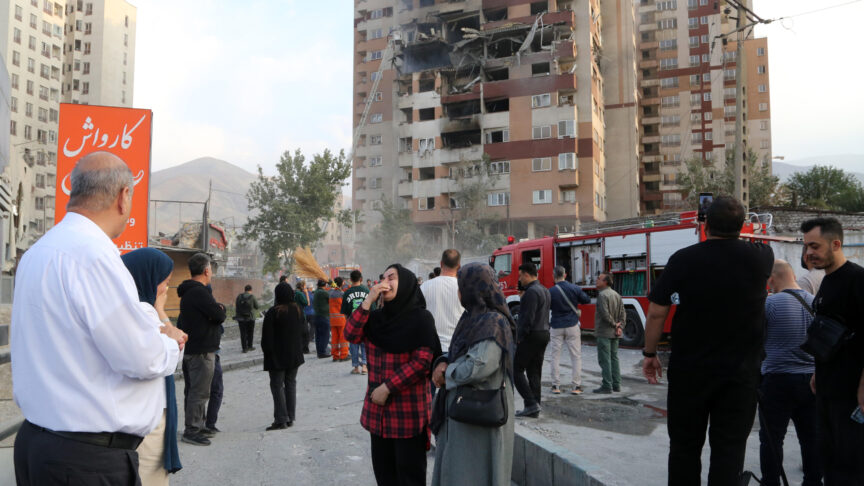
Israel has become the Middle East’s leading destabiliser, threatening key European interests. Europe must avoid making the same mistakes that led to the 2003 Iraq invasion, prioritise diplomacy and urge the US not to get entangled in a war with Iran
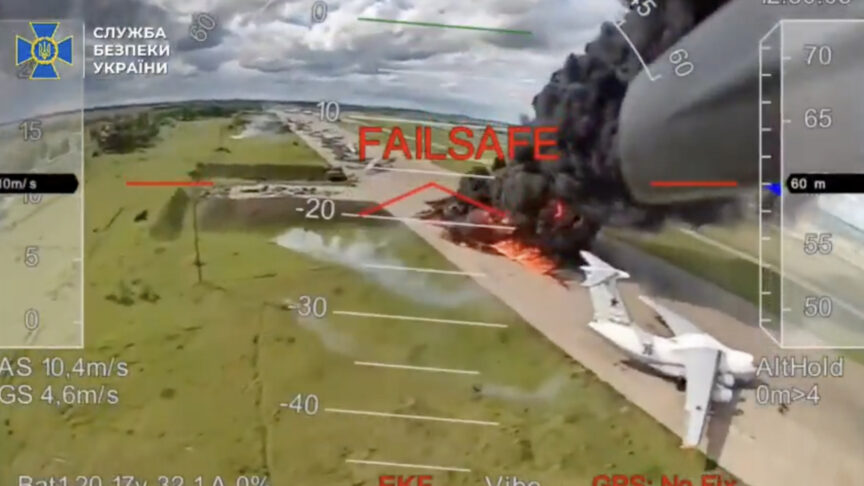
In the past week Ukraine has launched three surprise attacks on Russian military assets inside the country and in occupied Crimea. Ukraine’s allies in Europe should seize the momentum to compel Putin to come to the negotiating table
The second meeting between Ukraine and Russia in Istanbul has shown that a settlement is a distant prospect. To strengthen Ukraine’s hand in future talks, Europeans have a three-fold task