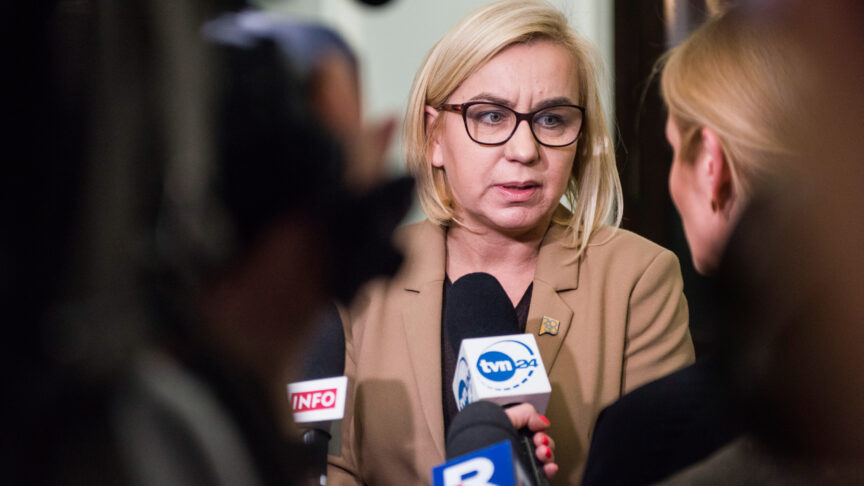
The new government in Warsaw is committed to pursuing a more ambitious energy and climate policy than its Law and Justice predecessors. There are several ways it can position itself to deliver on its goals and work closely with EU partners
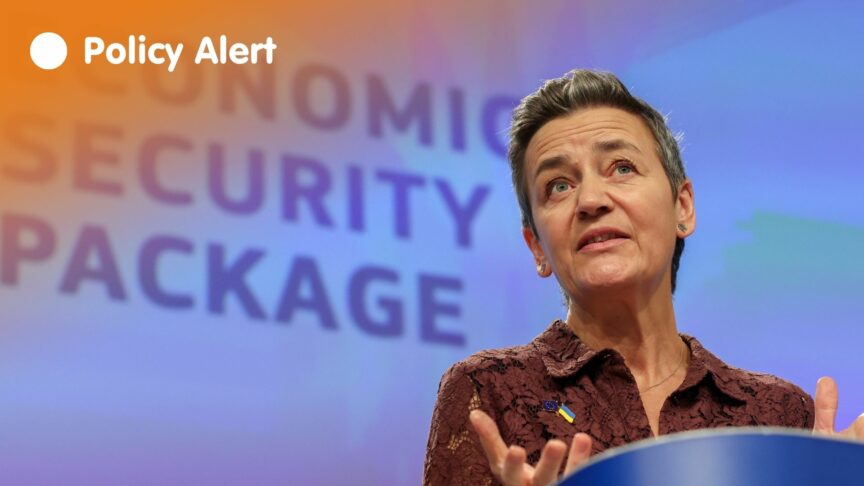
The EU needs to complement defensive economic security measures with a focus on boosting its technological and industrial capacities. For this it needs a bold, security-driven investment plan
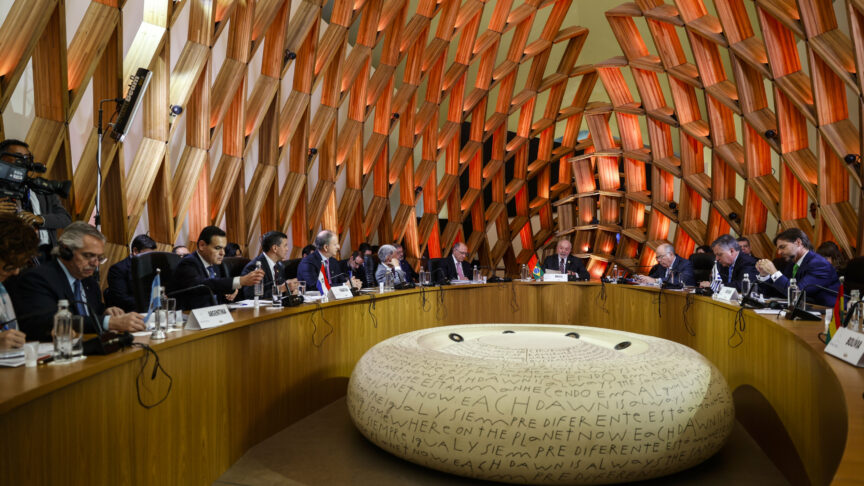
Deepening ties with Mercosur countries makes perfect sense as part of the EU’s de-risking efforts to diversify economic ties away from China. Further delays in signing a free trade deal would push Latin America closer to China’s orbit – for good
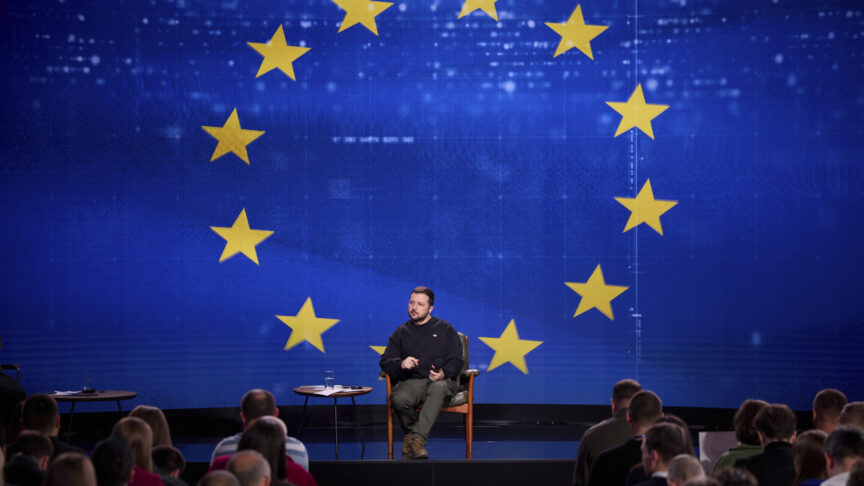
The European Union’s decision to start accession talks with Ukraine represents a symbolic victory rather than a practical one. With Ukraine struggling to secure crucial aid, and its counter-offensive failing to achieve its objectives, it is time to redefine what constitutes a Ukrainian victory and a Russian defeat
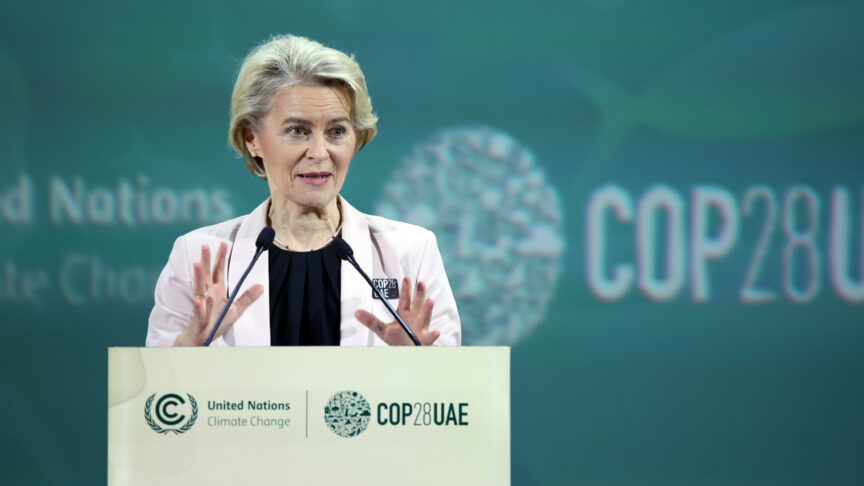
The EU’s role as a global climate leader was on full display at COP28. It will only be able to maintain this leadership if it can uphold support for its climate policies back home
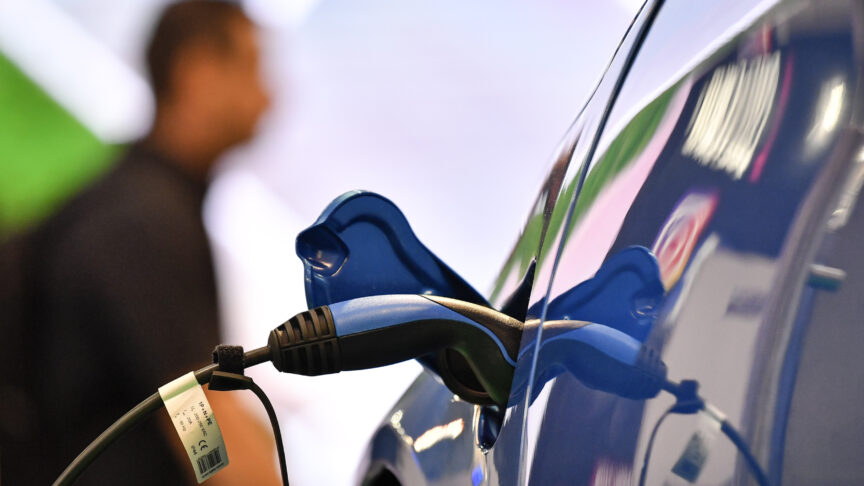
The electric vehicle industry demonstrates the challenges of de-risking in practice. The EU needs more than tariffs if it wants to prevent a looming over-dependence on Chinese electric vehicles without strangling its own green ambitions
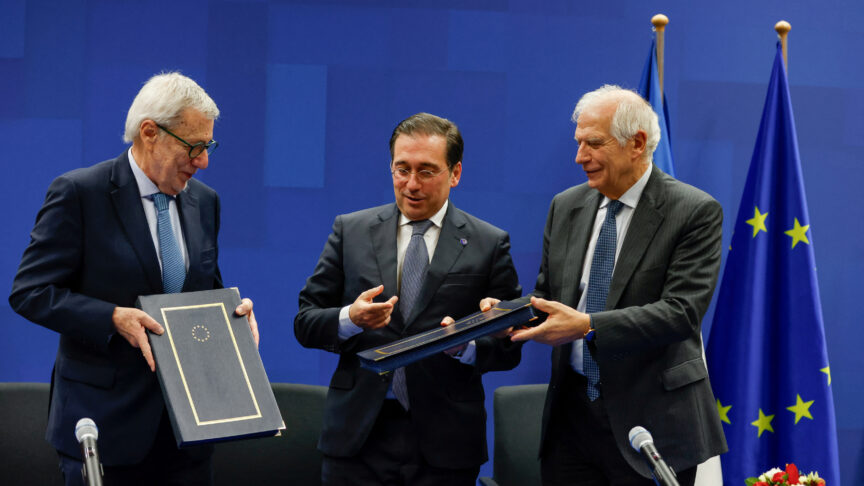
The EU’s and Chile’s enhanced association agreement will strengthen Europeans’ place in the “à la carte” world. The bloc should continue to tackle its dependencies and build mutually beneficial relations with countries across the globe
Privacy Preference
We use cookies on our website. Some of them are essential, while others help us to improve this website and your experience.If you are under 16 and wish to give consent to optional services, you must ask your legal guardians for permission.We use cookies and other technologies on our website. Some of them are essential, while others help us to improve this website and your experience.Personal data may be processed (e.g. IP addresses), for example for personalized ads and content or ad and content measurement.You can find more information about the use of your data in our privacy policy.You can revoke or adjust your selection at any time under Settings.
If you are under 16 and wish to give consent to optional services, you must ask your legal guardians for permission.We use cookies and other technologies on our website. Some of them are essential, while others help us to improve this website and your experience.Personal data may be processed (e.g. IP addresses), for example for personalized ads and content or ad and content measurement.You can find more information about the use of your data in our privacy policy.Here you will find an overview of all cookies used. You can give your consent to whole categories or display further information and select certain cookies.