British chancellor Rachel Reeves’s visit to Beijing over the weekend shows the Labour government’s willingness to re-engage with China. But this strategy could strain Britain’s relationship with the EU
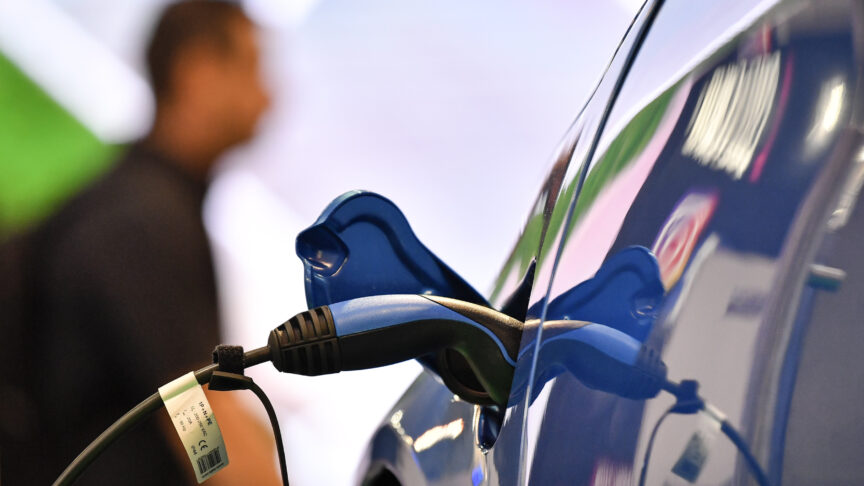
By imposing tariffs on Chinese electric vehicles, the European Commission has turned a corner on its relations with Beijing. To push back against an emboldened Brussels, Beijing will have to change tactics
As Beijing’s investment approach to Latin America focuses on industries of strategic importance, the EU and US will need to contend with growing Chinese competition
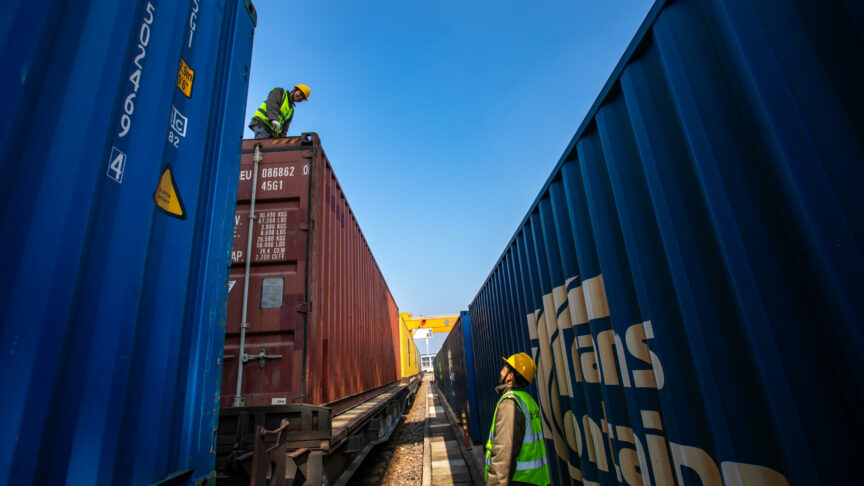
The EU’s plans to upgrade the Middle Corridor trade route may boost Russian and Chinese connectivity with central Asia. But for Europeans, the long-term economic and strategic benefits of going ahead with the development far outweigh these risks
Two decades ago, China’s reformist economists walked the halls of power and dictated policy. Now, they have been sidelined in favour of a new priority: national security. What happened?
The security challenge posed by Chinese electric vehicles is in many ways greater – and trickier to solve – than that of 5G networks. With such cars entering the European market at growing speed, policymakers need to move swiftly
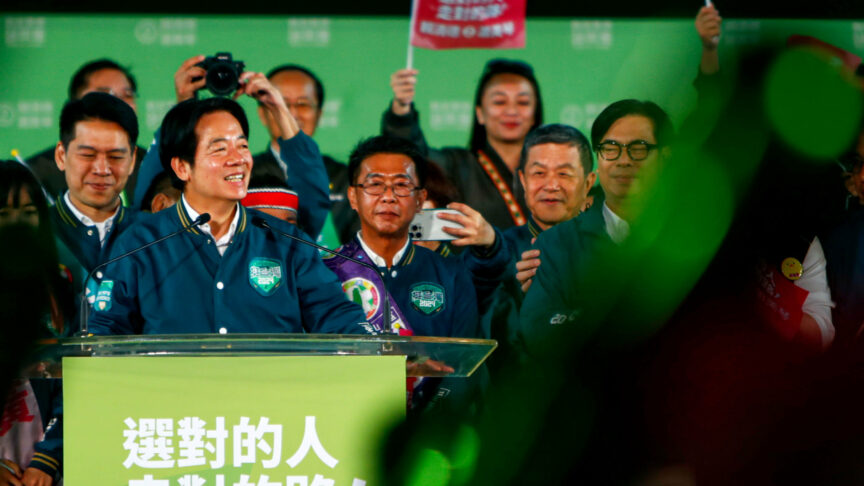
Tensions over Taiwan are likely to rise in the aftermath of this weekend’s election, regardless of who wins. The next president will seek closer ties with Europe, which will necessitate a more coherent and unified policy
The electric vehicle industry demonstrates the challenges of de-risking in practice. The EU needs more than tariffs if it wants to prevent a looming over-dependence on Chinese electric vehicles without strangling its own green ambitions
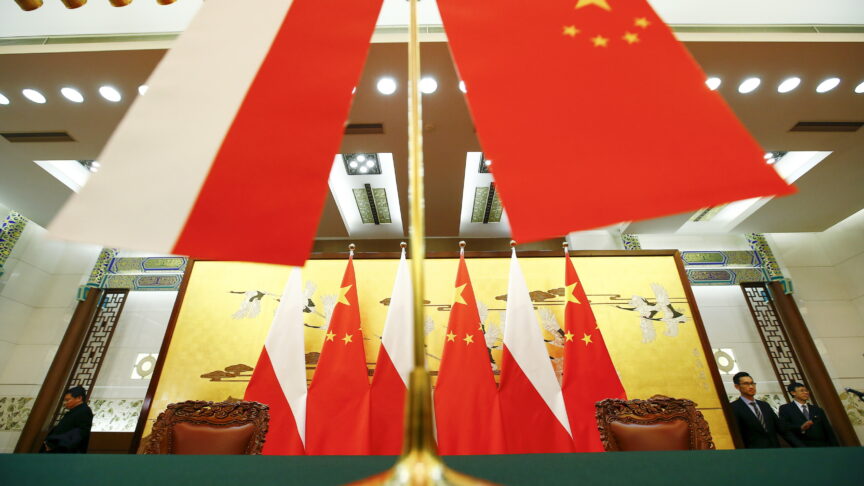
Poland needs to rethink its approach to China. The new government provides an opportunity for Warsaw to work with European partners to develop a China strategy that strengthens both Poland and the EU